Type 1 Diabetes—Capillary Glucose Measurement

Measuring or monitoring blood glucose is one of the main tools used in diabetes management. That is why it is so important both for making decisions about diet and treatment and for monitoring patients already on treatment to prevent hypoglycemia or hyperglycemia. In clinics CarE MediC , among other services, we perform capillary blood glucose testing using meters from the most well-known manufacturers. Among these, the latest-generation meters come with their own software—apps designed to facilitate data storage. However, there are now also apps that are compatible with many meters from various manufacturers. For more details on this, click here.
WHAT IS IT?

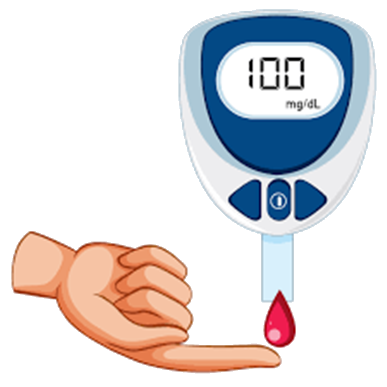
A capillary blood glucose test is the procedure used to measure the concentration of glucose in your blood. Blood glucose testing can be performed both at the doctor’s office and at home using a blood glucose meter.

Your thoughts are valuable. Whether it’s a simple question, a suggestion, a point, or an observation, please feel free to share your thoughts using the contact form provided.

HOW IT WORKS

By pricking your finger with a small needle called a lancet. Press your finger to draw a drop of blood from it and place it on a test strip that has been inserted into the blood glucose meter.

MECHANISM – GLUCOSE MEASUREMENT TECHNIQUE


The blood reacts with an enzyme at one end of the strip called glucose oxidase to produce gluconic acid using the glucose in the blood. At the other end of the strip are electrical terminals, and the meter is able to measure the current between the terminals. The amount of gluconic acid produced from blood glucose determines the amount of current generated between the electrical terminals. The meter then uses an algorithm to calculate the blood glucose level based on the measured difference in current. However, there is always a margin of error.

HOW MUCH BLOOD DOES THE METER NEED?

The amount of blood required on a test strip to measure glucose may vary by manufacturer. Generally, a minimum blood sample of a few microliters is required. Glucose levels are measured in mmol/L or mg/dl. To help you convert units, you can download the conversion table HERE