

The ergometric tests In practice, they represent a modern and reliable approach to evaluating physics status as long as the patient is practiced. These tests provide valuable information for the metabolism, the cardiopulmonary function and the actual capacity the organization’s ability to respond to physical activity.
Exercise and Metabolism
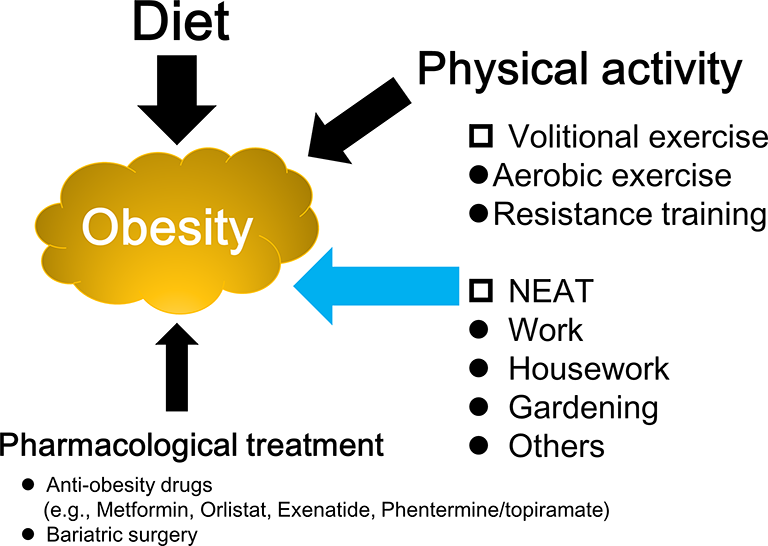
The obesity is the the main cause of metabolic syndrome and the type 2 diabetes. The exercise along with the changes on nutritional habits of person constitute the most suitable non-pharmacological intervention for the prevention and response of obesity.
The metabolic syndrome is characterized by increased waist circumference, high blood pressure, increased glucose blood, high triglycerides and low levels HDL cholesterol. The regular physics activity contributes significantly to improvement of these parameters, reducing the total cardiometabolic risk. This underscores the fact that exercise is one of the most significant interventions to the way life us.
The exercise It not only contributes to decrease of physical weight. Improves the sensitivity at the insulin, regulates the arterial pressure and improves the lipidemic profile. At the same time, it strengthens the cardiopulmonary capacity and helps improve strength and the total functionality of organism.
Ergometry - Exercise: Personalized Approach
The loss physical weight after combination hypocaloric diet and exercise for 6–12 months, ranges from 8 – 10 %. The loss physical weight only with the exercise, for 6–12 months, is estimated to be approximately 1–3 kg. At the clinics CarE MediC it is possible evaluation of exercise customized by medicine team, for people who are trying to lose weight. These individuals may also are being reevaluated magazines. Thus, the following procedure is followed special program with cardiovascular safety and correct amendment to the time.
The personalization of exercise is based on objective measurements arising from the ergometric evaluation. This is particularly important both for the General population as well as for the athletes, as it allows for the exact determination of intensity and the duration of exercise.
Before the ergometry test is performed, the following is done: taking a medical history and thorough clinical exam. The test is conducted in ergometric bicycle, where data is recorded from the cardiovascular and the respiratory system. At the same time, the following are analyzed: inhaled and exhaled gases through specialized mask.
The procedure is a more specialized exercise test. It allows us to understand the body’s functioning in even greater detail body during exercise.
Which parameters are assessed during an ergometry test?
Through ergometric assessment the following are recorded important parameters relating to the functioning of the organization during performance. Specifically, the following are evaluated:
- Heart Rate and Blood Pressure
- The Electrocardiogram at Rest, During Exercise, and During Recovery
- Oxygen consumption (VO2max), a key indicator of aerobic capacity
- The Anaerobic Threshold and Metabolic Responses
- Calorie Expenditure During Exercise
- Metabolic equivalents (METs), which indicate energy expenditure
- Defining personalized exercise zones
- Measurements of muscle groups to maintain or increase muscle mass during strength training exercises
This information allows for the exact design one exercise program. The goal is to improve the performance and the adjustment tailored to the needs of each individual, and in particular each athlete. Ergometric tests are evaluated by CPET spirometry, using a muscle group measurement device and a device for determining basal metabolic rate.
Exercise Testing - Exercise: Which exercise is best?
The aerobic exercise improves the functional capacity of the individual and contributes to decrease of percentage of physical fat. People who are obese should gradually to increase the engagement them with the exercise. It is desirable that the total engagement with the exercise to exceeds 280 minutes per week. According to the guidelines instructions of European Society of Cardiology / ESC, the total time exercise it should be at least 3–5 hours a week. Its role is important both in loss of the superfluous kilograms, as well as in the conservation of normal in addition physical weight.
In addition to the aerobic activity, and the exercise empowerment, This contributes to conservation and increase of muscle mass, especially among the muscle of the below extremes. At the same time, the stretches and the flexibility help with decrease of risk injuries and in the improvement of mobility.
The tension of exercise should is increasing gradually, so that the body is allowed to adjusts without is overburdened. Guidance from experts is very important, especially for people who They are starting the exercise now or belong to groups increased risk.
What should you know before an exercise test?
To ensure reliable results, it is recommended that avoid the consumption food, caffeine, alcohol and smoking for at least 3 hours before the exam. At the same time, it is a good idea to there should be no intense exercise on the same day.
It is also important to choose comfortably clothing and the appropriate sports shoes, in order for it to take place correctly the process. If you are taking any pharmaceutical lawsuit, it is necessary to please inform the doctor to you before the exam. Certain medications may affect the results.
Ergometry - Exercise: Why Is a Re-evaluation Necessary?
The physics status changes with the side street of time, as it is influenced by the exercise, the nutrition and the way life. When the patient is being reevaluated regularly, the doctor may is watching the progress his and the adjustment of body his in program exercise. This ensures that the program remains effective and safe, contributing to the conservation of the results in the long term, which is basic priority for many of the candidates.
For more information on ergometry, exercise, and comprehensive assessment of metabolism and cardiorespiratory function, please contact the specialists at the CarE MediCclinics. Dr. Christos Maniotis, Cardiologist and a graduate of the Medical School of the National and Kapodistrian University of Athens, with training in Athens and at St. Luke’s Hospital of Columbia University, specializes in ergospirometry and exercise prescription, holding a master’s degree in this field.
At the same time, Dr. Kleio Hantziara, Endocrinologist and Diabetologist, a graduate of Harvard University and the Athens Medical School, with training at leading hospitals in New York and specializing in obesity, diabetes, and metabolism, contributes to a comprehensive approach to patient care. The collaboration between these two specialties allows for the creation of a fully personalized exercise and nutrition plan, tailored to the body’s needs and each individual’s goals.