
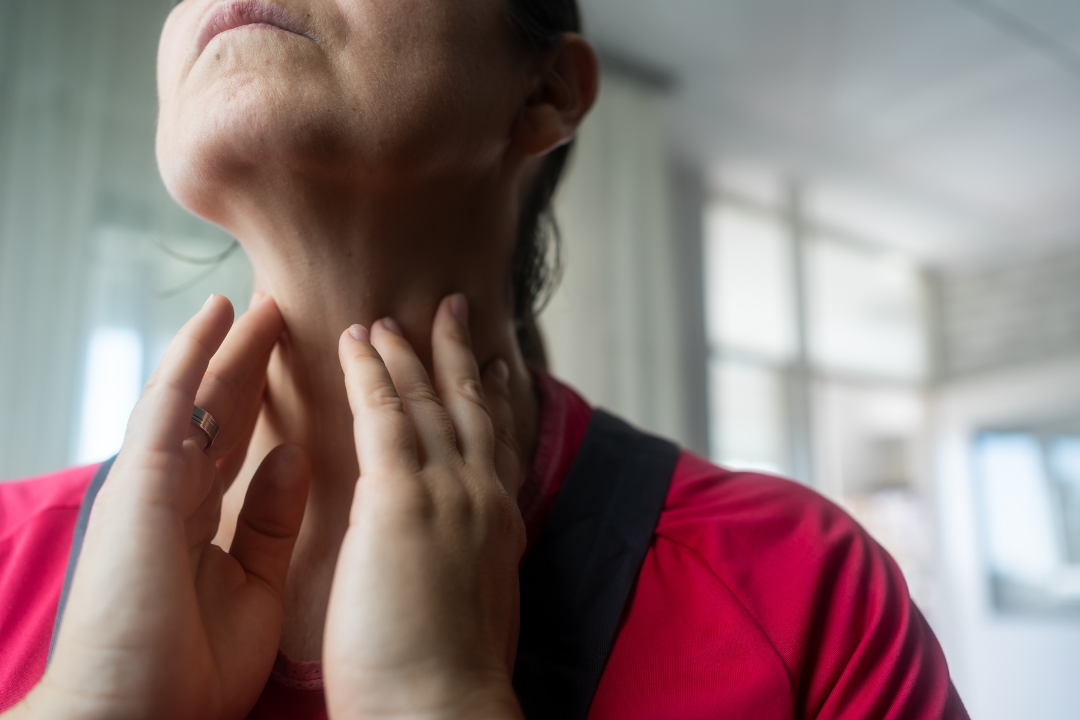
The thyroid gland it is a small endocrine gland, but especially important for the organism. It is shaped like butterfly and is located in the cervix, in front of the trachea and below the larynx. It consists of two lobes, the right-wing and the left, who join forces with the isthmus. The thyroid gland produces the thyroid hormones, especially the T3 and T4, which contribute to adjustment of metabolism, of the temperature of body and the energy. Sometimes, this gland may is not working properly. The diseases thyroid gland is usual, and affect large number of population.
A Few Words About Thyroid Disorders
The thyroid disorders They are quite common. More frequent is at women. They may relate, on the one hand, to function of thyroid and, on the other hand, in the morphology his. These disorders may be caused by autoimmune, genetic, hormonal or others factors. Diseases Thyroid disorders may be related to function of (e.g., hypothyroidism, hyperthyroidism) or at the morphology of (e.g., bronchocele, ozones, cysts, etc.).
Symptoms of medical conditions
The Thyroid disorders can present with a variety of symptoms affecting body weight, the gastrointestinal system, the skin, the scalp, the heart, the muscular system, menstruation, sleep, mental well-being, and our energy or stamina.
These factors often prompt the patient to seek help from the endocrinologist. Conditions related to morphology of gland, such as the bronchocele and the ozones thyroid, it could be visible to the naked eye. Patients may often notice edema to the cervix and to ask endocrinological advice.
At the CarE MediC clinics , examination, diagnosis, treatment and monitoring all thyroid disorders.
Hypothyroidism
The hypothyroidism is the most frequent possibly a thyroid disorder, namely dysfunction his. In hypothyroidism The thyroid gland secretes fewer hormones than are needed. The causes of hypothyroidism is varied, with the most common being autoimmune thyroid disorder and the thyroiditis Hashimoto. It may also occur after total thyroidectomy, if the patient does not receive sufficient quantity thyroxine.
The most common symptoms of hypofunction of the thyroid gland are as follows:
- easily fatigued
- weakness
- deployment of forces
- drowsiness
- hoarseness
- bradycardia
- intolerance to cold
- weight gain
- constipation
- loss of eyebrow hair, dry skin, and dry scalp
- menstrual cycle disorders
- periorbital and pretibial edema, facial edema
- slowness of thought and inability to concentrate
- depressed mood
- mood disorder with depressive symptoms
The clinical examination and the measurement of thyroid and antibodies will lead to the diagnosis. The endocrinologist will then advise the patient to take the appropriate medication treatment.
Hyperthyroidism
In the hyperthyroidism the thyroid is overactive and the organization is in a hypermetabolic status. This means that they are produced more thyroid hormones from the normal. Most commonly symptoms of hyperfunction of thyroid are as follows:
- tachycardia and/or arrhythmia
- sensation of a pulsing feeling
- nervousness, irritability
- excessive sweating, sweaty palms
- weight loss, increased appetite
- heat intolerance
- trembling of the fingertips
- diarrhea
- mood swings, nervousness, anxiety, irritability
- muscle pain, cramps, muscle weakness
- menstrual disorders
- difficulty sleeping
- eye disease, often accompanied by exophthalmos, eyelid swelling, redness of the eyes and eyelids, and pain when moving the eyes
For the diagnosis of hyperthyroidism It is essential to clinical exam and the measurement of the hormones of thyroid and the antibodies, ultrasound cervical and assessment of thyroid eye disease when it exists.
The response of disease it could be pharmaceutical, may require a download radioactive iodine 131I or surgery. The consultation with the endocrinologist will lead to understanding of condition and in her choice of most suitable response her.
Goiter and Thyroid Nodules
The most common condition related to morphology of thyroid gland is the discovery ozone. Nodules are small alterations inside the gland and most of the time it is benign. Nevertheless, we need correct evaluation, since in small percentage may be related to malignancy.
Nodules can often be found random, as in the exam with Triplex carrots, where the radiologist will detect the presence of ozone or another morphological alteration and will refer the patient to endocrinologist. In other cases, the following may be observed enlargement of the thyroid gland by same the patient or them close his, at which point he should contact the endocrinologist.
The bronchocele refers to the swelling of thyroid gland or department his. It can coexist with hypothyroidism or hyperthyroidism. It is also possible that the gland might works normally. The diagnosis is done by clinical exam, blood test and ultrasound cervical.
Thyroid Cancer
The cancer of thyroid is important condition of gland. It often appears with the form oz and maybe for large chronicle interval not to cause symptoms. That is why the correct monitoring of the ozone has special importance.
Signs that require further evaluation include rapid increase of size of the ozone, the hoarseness, the difficulty at the ingestion, the hard one recommendation and/or the presence of specific ultrasound characteristics and the presence swollen lymph nodes to the cervix. The timely diagnosis significantly helps with appropriate response.
Diagnosis of Thyroid Disorders
The diagnosis is based on clinical exam by endocrinologist and to the laboratory inspection. The hormonal inspection usually includes TSH, T3, T4 and antithyroid drugs antibodies, as appropriate.
The ultrasound cervical helps with assessment of size of gland, of the ozone and the appreciation of the morphological features them. In some cases, it may be necessary to puncture through thin needle, in order to better evaluate a suspect ozone.
Management of Thyroid Disorders
The response depends on the nature of condition. The functional disorders are often treated with pharmaceutical lawsuit and regular monitoring. In the hypothyroidism it may be necessary lawsuit with thyroxine, while in the hyperthyroidism Treatment may include antithyroid drugs medications, radioactive iodine or surgery response.
On morphological diseases, such as ozones and the bronchocele, the monitoring and the possible treatment are determined by the size, the symptoms, the ultrasound features and the results of the exams.
At the clinics CarE MediC, Dr. Kleio Hantziara, Endocrinologist – Diabetologist, with many years of experience and training at leading universities and hospitals in the U.S. and Greece, takes on the diagnosis and management of thyroid disorders using a modern and comprehensive approach. At the same time, her collaboration with the cardiologist Dr. Christos Maniotis enables a comprehensive evaluation of the patient, particularly in cases where thyroid disorders also affect the cardiovascular system.
The CarE MediC team is here to support you, with the goal of providing timely diagnosis, proper guidance, and thorough follow-up for every case. Contact us.