

The infertility disorders constitute a compound issue. They affect both the women as well as the men, making it difficult for the pregnancy. In many cases, the difficulty at the arrest may to worry the couple. However, modern medicine now offers effective diagnostic and treatment options, tailored to needs every person.
What are infertility disorders?
The infertility it is a compound issue regarding the difficulty one couple to arrest, despite the tactics free sexual contacts. More specifically, it is defined as the weakness achievement pregnancy within 12-month period, when contraception is not used. In women over the age of 35, the doctor will recommend an evaluation earlier, after a while 6 months. This is because the age affects the fertility, mainly because of the gradual reduction of quality and the quantity of the eggs.
Infertility can affect a woman, the man or both partners. For this reason, when a couple struggles to conceive, the evaluation should include both partners.
Infertility Disorders: When Should You Get Tested?
The timely evaluation of fertility can help identify potential difficulties and in her choice of appropriate therapeutic approach. Although many couples succeed physics arrest inside the first time efforts, there are cases where the investigation needs to begin earlier. Specifically, aside from the factor of age, for women, the following are taken into account:
- Oligomenorrhea or amenorrhea
- Dysmenorrhea (painful menstruation)
- History of endometriosis or pelvic inflammatory disease
- History of multiple expulsions
- History of Cancer
- Other fertility issues that may arise from the patient’s medical history
Similarly, men should seek advice from their doctor men who exhibit the following symptoms:
- Abnormal semen analysis
- History of testicular, prostate, or sexual problems
- History of Cancer
- Small testicles or swelling in the scrotum
- Family History of Infertility
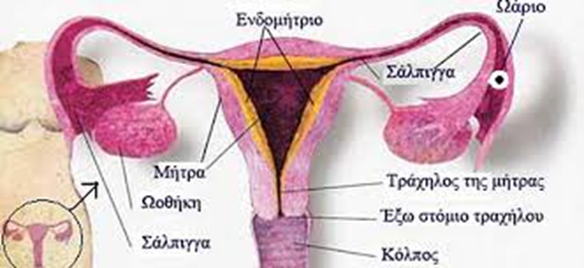
Causes of Infertility in Women
The women’s infertility may be related to different mechanisms of reproductive system. In many cases, more than one factor are responsible for the infertility, which makes the comprehensive investigation. Causes of Infertility in Women include the following:
- Ovulation Disorders, which affect the release of eggs from the ovaries. These include hormonal disorders such as polycystic ovary syndrome, hyperprolactinemia, hyperthyroidism, hypothyroidism, and others.
- Disorders of the uterus or cervix including anatomical abnormalities of the cervix or uterine polyps. Benign growths on the uterine wall (uterine fibroids) can also cause infertility problems.
- Salpingitis. This is an inflammation of the fallopian tubes that may be caused by pelvic inflammatory disease. This is usually caused by a sexually transmitted infection, endometriosis, or adhesions.
- Endometriosis. The growth of endometrial tissue outside the uterus, which can affect the function of the ovaries, uterus, and fallopian tubes.
- Primary Ovarian Insufficiency (POI). This refers to the cessation of menstruation before the age of 40. The cause often remains unknown, but certain factors are associated with early menopause. These usually include immune system disorders and certain genetic conditions, such as Turner syndrome.
- Pelvic adhesions. This is scar tissue that can form following a pelvic infection, appendicitis, endometriosis, or surgery in the abdominal or pelvic region.
- Cancer and its treatment. Certain types of cancer—particularly cancers of the reproductive system—can affect female fertility. The same is true of the chemotherapy that patients undergo.
Causes of Male Infertility
The men’s fertility depends on the production sufficient number healthy sperm, the good mobility them and the opportunity transportation them to the women’s reproductive system. Factors that influence the quality of sperm or the function of the testicles can make things more difficult the arrest. In general:
- Abnormal sperm production or function. They are usually caused by cryptorchidism, genetic abnormalities, health problems such as diabetes, or infections such as chlamydia or HIV. A varicocele can also affect sperm quality.
- Disruption in the transport of sperm due to sexual problems such as premature ejaculation. These disorders may also be influenced by genetic conditions, such as cystic fibrosis, and morphological abnormalities.
- Excessive exposure to certain environmental factors. These include certain pesticides and other chemicals, as well as radiation. Other factors, such as smoking, excessive alcohol consumption, anabolic steroids, and certain medications, may also affect fertility. At the same time, male fertility may be affected by exposure of the genitals to high temperatures, such as in a hot tub.
- Damage related to cancer and its treatment, including radiation or chemotherapy.
How is infertility diagnosed?
The investigation of infertility begins with detailed medical History and clinical examination of both partners. They often occur together more from one factors that make it difficult the arrest. The physician evaluates information related to the general health, the reproductive History, the menstrual cycle of woman, as well as potential factors risk.
For women, the screening includes gynecological exam, endocrine exams and ultrasound matrix and ovaries. When necessary, it is also carried out, and hysterosalpingography, in order to check for a possible blockage of the fallopian tubes or other anatomical variations that affect the physics arrest. At the same time, irregular cycle, absence period or intense menstrual pain may indicate underlying disorders that require further investigation.
In the men, the basic test is the sperm analysis, through which the number, the mobility and the morphology of the sperm. When there are Signs of male infertility, the doctor may request in addition exams. Examples of these include hormonal inspection or the ultrasound testicles.
How are infertility disorders treated?
The therapeutic approach depends on the causes, the age, the medical History and the needs of couple. The investigation helps determine what form of treatment it is more appropriate, since the causes infertility is various. In many cases, the improvement of way life ours, such as the nutrition, the physical weight and the interruption of smoking, can have a positive impact on reproductive health.
For women, treatment may include pharmaceutical, especially when there are hormonal disorders or problems ovulation. In other cases, the following apply invasive techniques, such as laparoscopy or hysteroscopy, for the restoration anatomical problems.
In the men, treatment depends on the cause that affects the quality of sperm or the fertility in total. Depending on the findings, it is recommended that specific pharmaceutical lawsuit, response hormonal disorders or surgery rehabilitation, as in the case of varicose vein.
When the most conservative methods not attribute or when there are more seriously problems fertility, the couple can proceed to techniques assisted reproduction, such as the semen injection or the in vitro fertilization. Modern medicine now offers many options and for quite a few couples The difficulty in conceiving does not mean that they cannot have a child.
Dr. Dr. Kleio Hantziara, Endocrinologist – Diabetologist trained at Harvard and Columbia University in New York, has many years of experience in the diagnosis and treatment of endocrine disorders related to fertility, such as thyroid disorders, metabolic disorders, and hormonal imbalances. As an affiliate of the “Ygeia” and “Mitera” hospitals and head of the Endocrinology and Diabetes at the CarE MediCclinics, she provides a comprehensive and scientifically grounded approach, tailored to each patient’s needs. If you are having difficulty conceiving or would like a preventive hormonal evaluation, please contact us for responsible and personalized guidance.