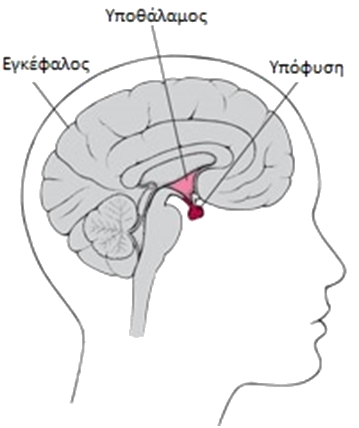
WHAT IS IT?
The pituitary gland is a gland about the size of a small pea. It plays an important role in regulating the body’s vital functions and overall well-being. It is referred to as the body’s “master gland” because it controls the activity of most other hormone-secreting glands.
DIAGNOSTIC EVALUATION OF DISEASES
The endocrinologist diagnoses pituitary dysfunction based on blood hormone levels.
Imaging Tests
- computed tomography (CT)
- magnetic resonance imaging (MRI)
They can reveal pituitary adenomas or a sella turcica defect.
Laboratory Tests
First and foremost, the patient’s symptoms are evaluated. Next, the levels of the relevant hormones are examined in a targeted manner. Often, these levels are difficult to interpret because they vary greatly throughout the day and depending on various factors. Therefore, measuring a single random blood sample usually does not provide useful information.
Laboratory Tests
There are diagnostic tests that involve administering specific substances to measure hormone levels. These can provide more reliable results regarding those levels.
At the clinics CarE MediC , we carefully review your medical history and symptoms, perform a clinical examination, and order specific diagnostic tests. The goal is to identify disorders of pituitary function and provide appropriate treatment, such as disorders of:
- Prolactin
- Growth hormone
- Adrenocorticotropic hormone (ACTH) and others